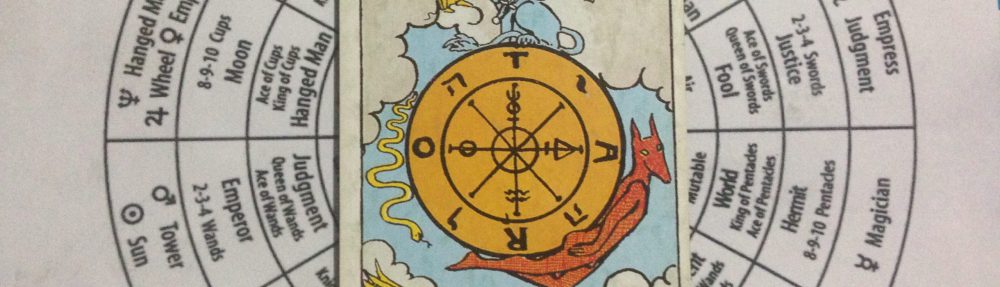
The Emperor: The King and His Foundations

The Emperor is card number 4 in the tarot deck. In general, it means power and rule. As a person, it’s someone powerful, who has a role and the authority to make decisions or control things. As a job, it would have to be a soldier, a police officer or a boss, all the way up to a company owner.

The symbols on the card all support the meaning of experience and power very well: the long beard shows experience, and the orb and the scepter show the powers he holds in his hands. But one thing popped into my head that I found quite interesting: the meaning of the number 4.

The number 4 is usually the number of foundations and stability. Especially if we picture a square, or a square shape, we feel even more stability. When we want to build anything, a square shape is probably what a lot of people like to use, maybe because it’s easier to extend, add to and decorate than other shapes.

So what does that have to do with this very experienced king?
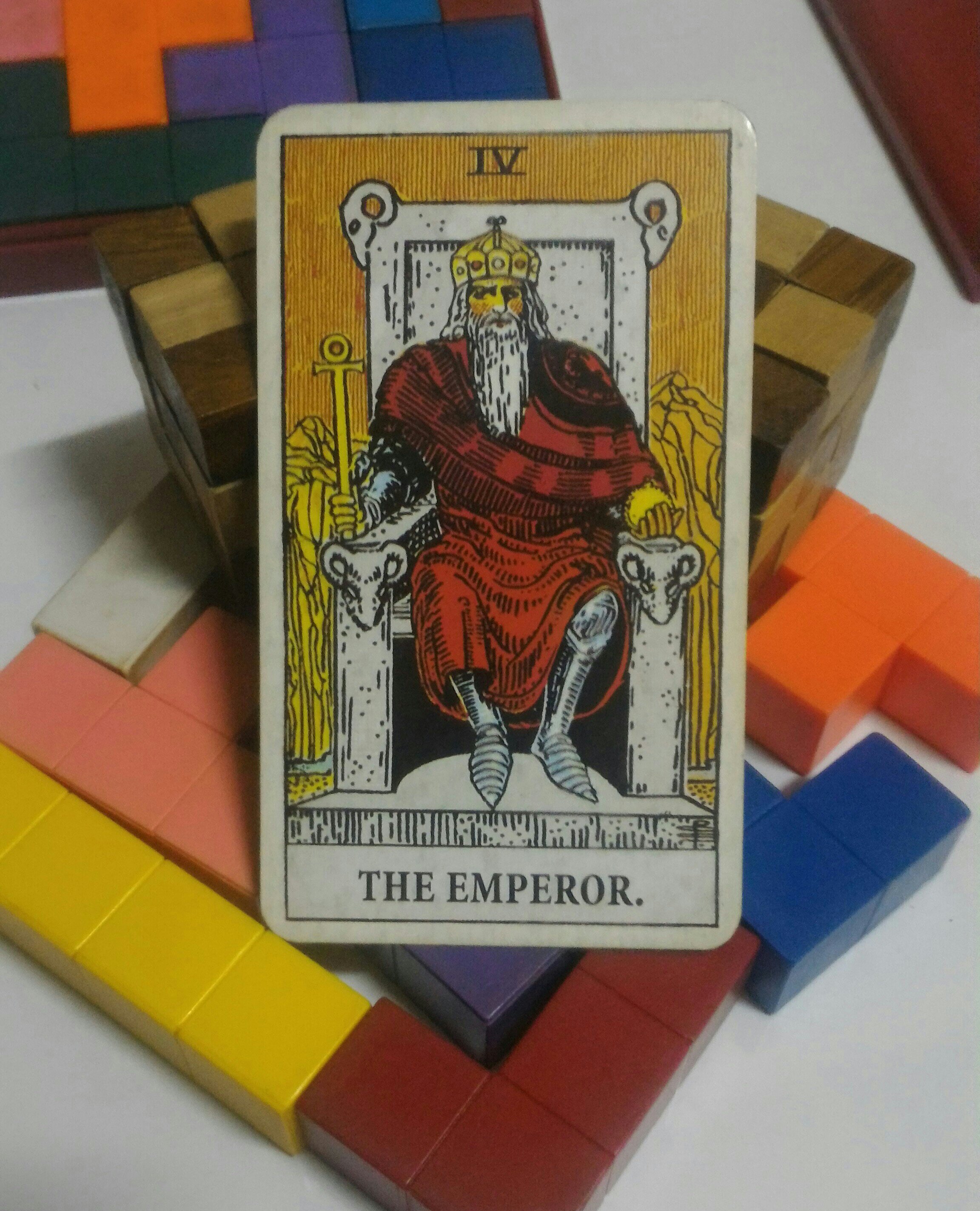
The Emperor card standing among colorful building blocks

A king who can build a city and rule it for a long time has to have a firm, strong foundation, built in a shape that looks stable. If an important foundation used an odd shape, like a pyramid or a sphere, it would be hard to build on it or let others build on top of it. Those foundations might be trust, the power in his hands, or even wealth.

But what about us, small people like us who don’t have to rule anyone? What can this card teach us?

The usual advice might be to use the power you have and make full use of your experience to solve problems. But I see another angle: foundations.

Whatever you do for a long-term goal, your foundation has to be good, so you can keep building on it without end. Sometimes we think we already know something, so we don’t give it much attention. That’s neglecting to build a good foundation. It’s like laying marbles as the floor of your house. You can use it, but what else could you build or put on top of it?

Going back over the basics and adjusting them often matters too. It’s like packing down the soil you’ve laid so it gets even firmer. But if we neglect it and pay it no attention, it’s no different from soil that has dried out and left hollows, like the ground under a sidewalk.

So when this card comes up, before you use any power you hold to solve a problem, first check how solid the base of the mountain you’re sitting on really is.
Evolution of a Spread: My Spread Notes

When we read the cards, or simply get a reading, the first step is always shuffling. Some readers have you shuffle as many times as your age, and some have you shuffle until you’re happy with it. Once the cards are shuffled, it’s time to pick them and lay them out, and everyone has their own way of picking and laying out the cards.

  • Some read one card for one question.
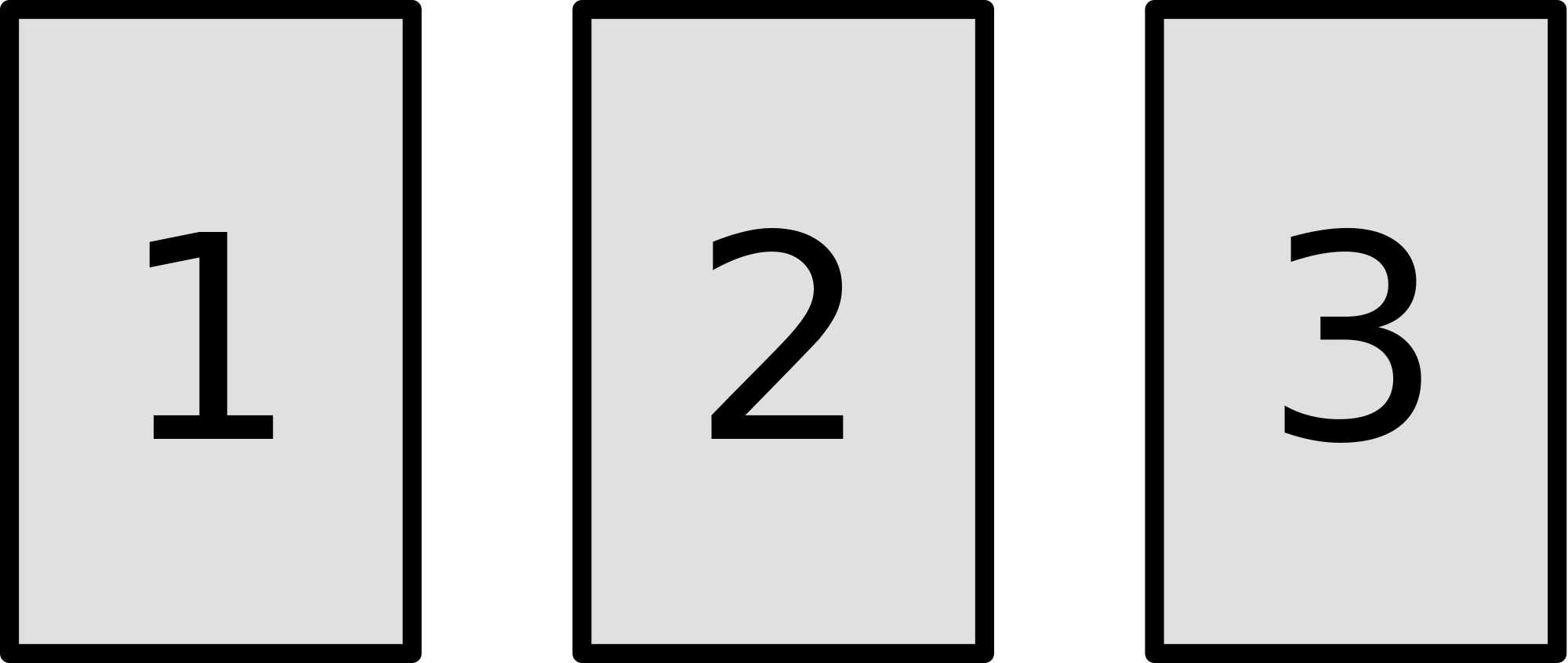
  • Some read three cards for one question, laid in a row.
  • Some read ten cards for one question, laid out in a shape.

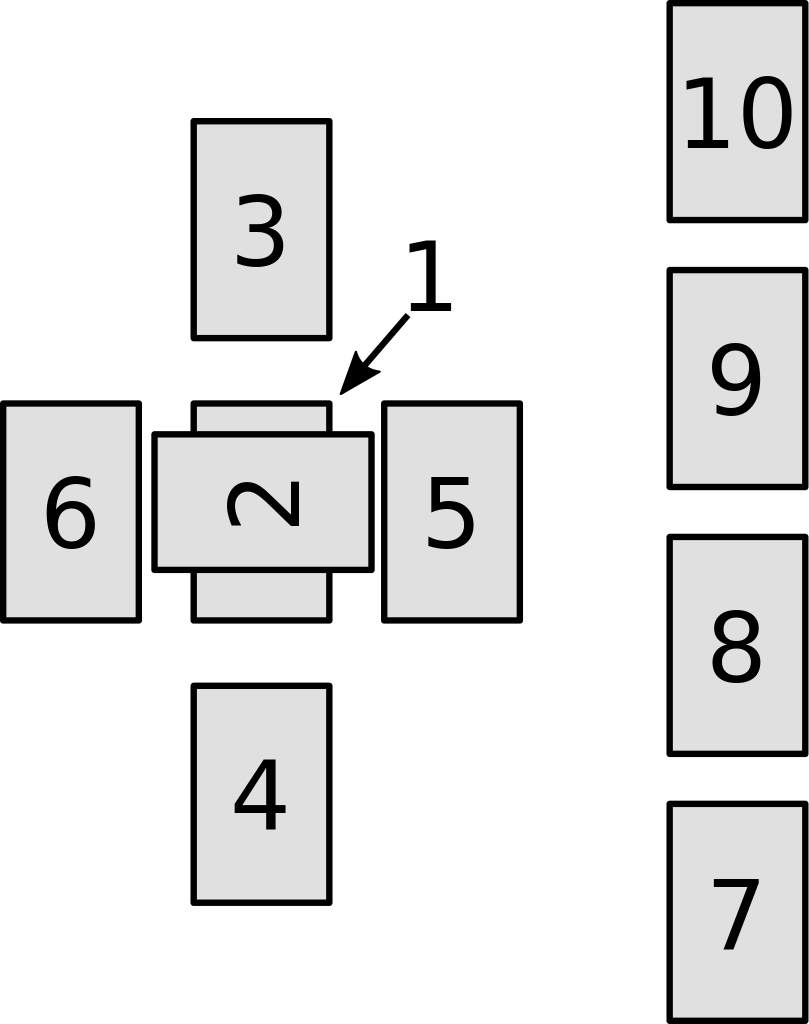
The last one is probably the most popular way, in Thailand and abroad. This layout is called the Celtic Cross Spread. It’s a spread for questions with a complicated story, where you want many points of view to put together.

Diagram of the Celtic Cross Spread: a cross of six numbered cards with a column of four cards beside it

Celtic Cross Spread

It’s a good spread. It answers almost everything that affects the question, such as what happened in the past, the root cause, other people’s views and so on. But I hardly ever use it. What I like to use instead is three cards for one question. It’s simple, it answers the question quite clearly, and it makes it quite easy to work with the elements and how the cards relate to each other, because there aren’t many cards to get lost in.

Diagram of a three-card spread: three numbered cards in a row

Three-Card Spread

But when I started a new project, monthly readings by sign, a big problem came with it: how to lay out the cards once and read every topic, work, money and love. Besides covering every topic, the layout had to look fairly nice, not cluttered and not scattered all over the place (so fussy, I know).

After a long time thinking and changing things, I got the layout I thought was best (at the time). It became a monthly reading with 13 cards.

  • 1 card for the general situation, the big theme
  • 3 cards for the important events in each topic, 3 each for work, money and love
  • 1 card of advice for each topic, 1 per topic

https://www.instagram.com/p/BdK1MvkHbZM/?taken-by=notkung_nois

I’ve used this spread for 3 months now, for all 12 signs. I think it works well enough, but I may change it again later.

Changing a spread doesn’t mean the old one wasn’t accurate. Sometimes, after using a spread for a long time, you notice for yourself what’s too much in it and what’s still missing. Changing the spread is a fix to make the reading better, cover every problem and be easier to read.